CE certification for power tools is a complex undertaking involving multiple directives and standards. It centers on the Machinery Directive (MD) and typically requires compliance with the Low Voltage Directive (LVD), Electromagnetic Compatibility (EMC) Directive, and RoHS Directive.
Machinery Directive (MD) - 2006/42/EC: This is the core directive for power tools. Regardless of the power source, any tool containing moving parts (such as drill bits or saw blades) must meet its mechanical safety requirements.
Low Voltage Directive (LVD) - 2014/35/EU: Applies to electrical equipment operating within the voltage ranges of 50–1000V AC or 75–1500V DC. Mains-powered tools generally fall under this directive; battery-powered tools, however, typically operate below these voltage thresholds and are exempt from the LVD, though they must still comply with the MD.
Electromagnetic Compatibility (EMC) Directive - 2014/30/EU: All power tools must comply with this directive to ensure that their electromagnetic emissions do not interfere with other equipment and that they possess adequate immunity to external electromagnetic interference.
RoHS Directive - 2011/65/EU: Restricts the use of ten hazardous substances-including lead, mercury, and cadmium-in electrical and electronic equipment; power tools explicitly fall within its scope of regulation.
🔩 Core Technical Standards: EN 62841 Series
Compliance with the aforementioned directives is primarily demonstrated through testing against the EU harmonized standards of the EN 62841 series.
EN 62841-1: General requirements; the foundational safety standard for all power tools.
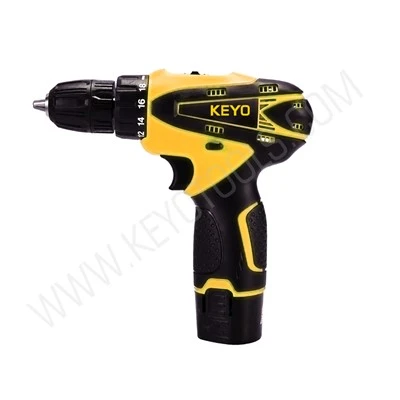
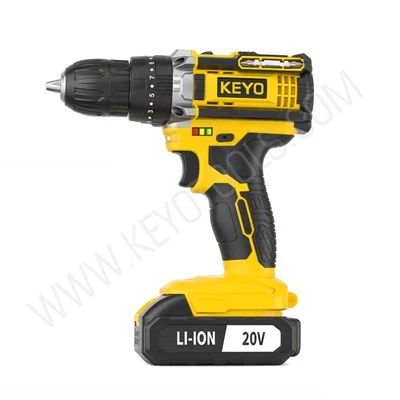
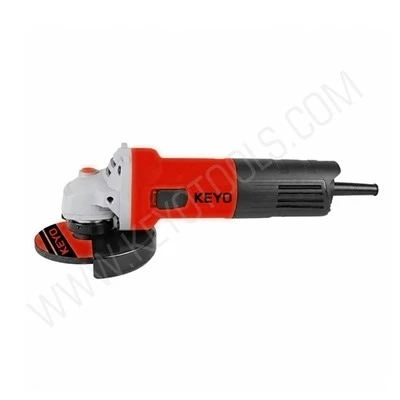
EN 62841-2-X: Particular requirements. For example, electric drills and impact drills are subject to EN 62841-2-1, while angle grinders are subject to EN 62841-2-3.
📝 Certification Process and Key Technical Documentation
CE certification follows the principle of "conformity assessment." The general process is as follows:
Determine Applicable Directives and Standards: Identify the directives and corresponding EN standards applicable to the specific product type. Conduct product testing: Submit samples to an accredited laboratory for testing-covering mechanical safety, electrical safety (LVD), EMC, and RoHS-in accordance with standards such as EN 62841.
Sign the Declaration of Conformity (DoC): The manufacturer or their authorized EU representative signs this legally binding document, declaring that the product complies with all applicable directives.
Affix the CE mark: The CE mark must be at least 5 mm in height and clearly and permanently affixed to the product itself or its packaging.