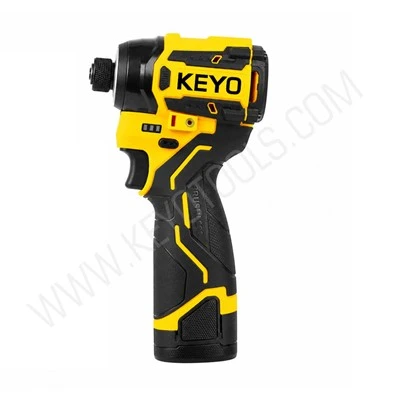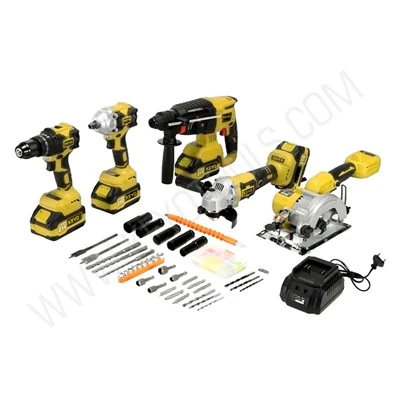
The core design philosophy of silent electric drills focuses on achieving efficient, low-noise drilling operations while ensuring ease of use and stability. They typically feature a modular design, with the main unit and accessories housed in a portable case or carrying box for rapid deployment and transport. Structurally, there are two main configurations: a split-system design and an integrated design. The split-system design comprises a main unit, a motor-driven feed rail, a remote control unit, and an adjustable tripod, enabling stable, remote operation. In contrast, the integrated design requires no complex installation; it is ergonomically designed for handheld operation, offering greater simplicity and speed.
Regarding feed mechanisms, silent electric drills generally offer multiple modes-such as manual feed, automatic spring feed, and automatic motor-driven feed-allowing users to select the option best suited to the task. Advanced models feature precision depth control, enabling users to set a specific drilling depth; the drill stops or retracts automatically upon reaching the target, achieving accuracy within 1 millimeter and providing warning alerts. Power is typically supplied by high-capacity internal or external lithium battery packs, supporting prolonged continuous operation. They support rapid charging via 220V AC mains, and some models can also be charged using vehicle batteries, making them suitable for field operations.
Smart integration and human-machine interaction are key design features. The unit often incorporates an LED lighting system for operation in dark environments. The control system includes a dual-display gauge for voltage and current, allowing for intuitive monitoring of remaining battery life and assessment of drill bit load and internal wall resistance based on operating current. Some models feature a portable remote control platform that enables remote monitoring of parameters such as drilling noise levels and operating voltage.
Additionally, quick-release structures facilitate rapid switching between drilling modes or accessory changes, while rail-based designs-specifically those featuring a parallel arrangement of the guide rail and reduction motor-aim to reduce operational difficulty, increase single-pass drilling depth, and minimize the overall length of the unit.