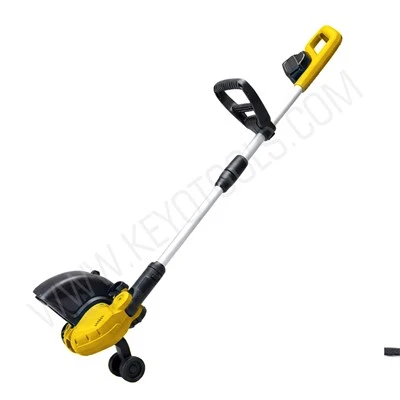
As common equipment in gardening and agriculture, weeding tools are designed with a core focus on balancing efficiency, durability, and ergonomics. Weeding tools vary significantly in structure to accommodate different weed types, soil conditions, and user habits.
From a mechanical perspective, shovel-style weeding tools utilize leverage to pry root systems from the soil; the angle and width of the blade directly influence the efficiency of force transmission. Plastic handles are primarily chosen for shock absorption and slip resistance, helping to reduce fatigue during prolonged use compared to metal handles. Variations in blade size (such as "6-fen" versus "7-fen" blades) cater to different weed densities, with smaller blades being better suited for work in confined spaces.
In gardening, tool selection typically follows the principle of "suitability": wide-blade shovels are appropriate for loose soil, whereas compacted soil requires reinforced blades.
There are also differences in durability requirements between seasonal home gardening and professional agricultural weeding. Imported tools often adhere to stricter standards regarding material heat treatment, which directly affects how long the blade edge retains its sharpness.
In practical application, home gardening tools prioritize portability and ease of storage, often featuring foldable designs, whereas commercial cultivation tools must withstand the structural demands of continuous operation. Notably, all weeding tools require regular blade maintenance; while plastic handles resist corrosion, they must be protected from prolonged sun exposure to prevent degradation-details that ultimately determine the tool's actual service life.