I. Pre-operation Preparation
Personal Protection: Wear safety goggles or a face shield; use a dust mask in dusty environments and earplugs for prolonged use. Wear close-fitting work clothes; avoid loose gloves, scarves, or jewelry, and tie back long hair.
Tool Inspection: Ensure the battery is undamaged, shows no signs of swelling or leakage, is fully charged, and is securely latched. Check that the switch resets properly and the drill bit is sharp, straight, and compatible with the chuck.
Environment Check: Secure the workpiece with a bench vise or clamps. Before drilling into walls, verify the absence of electrical wires, water pipes, or gas lines. Ensure adequate lighting and keep the area free of flammable or explosive materials.
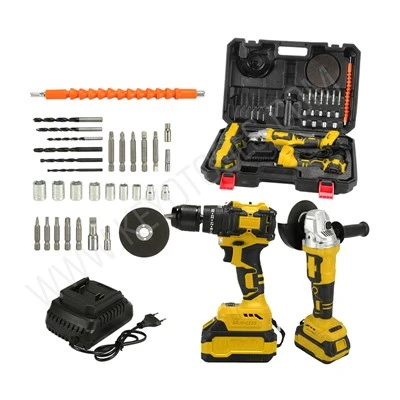
Accessory Installation: Install the auxiliary handle if provided; remove the chuck key immediately after use.
II. Installation and Settings
Ensure the switch is in the "off" or "locked" position before inserting the battery to prevent accidental startup.
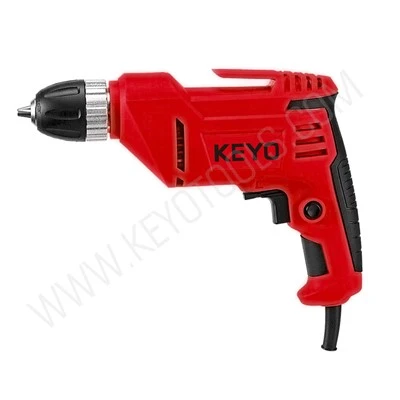
Tighten the drill bit securely; even keyless (hand-tighten) chucks must be tightened firmly to prevent slipping or the bit flying out.
Select the mode based on the task:
Drilling: Select the drill setting; choose standard or impact mode based on the material.
Screwdriving: Select the screw setting and lower the torque to avoid stripping screw heads or snapping screws.
Impact Drilling: Use the impact setting with a carbide-tipped bit for concrete or brick walls.
Run the tool idly for a few seconds to check for abnormal sounds or wobbling before contacting the workpiece.
III. Operational Guidelines
Start by positioning the bit at low speed; gradually increase speed only after the tip contacts the workpiece-do not start at full speed.
Apply force only along the axis of the drill bit; avoid lateral prying, which can snap the bit or cause wrist injury.
Maintain a steady feed rate and let the bit do the cutting; do not force it. Reduce pressure just before breaking through to prevent loss of control upon sudden penetration.
Stop the tool to clear debris; use a brush or vacuum cleaner. Do not clear debris with bare hands or by blowing with your mouth. Handling a jammed bit: Immediately release the switch, wait for the bit to stop spinning completely, then switch to reverse and withdraw at low speed. Do not force forward rotation, and never attempt to twist it out by hand.
Do not point the drill at yourself or others; do not operate a high-torque drill with one hand.
When working at heights, ensure no one is below; during continuous use, monitor the temperature of the motor and battery-stop and allow them to cool if they overheat.
V. Post-operation
Turn off and lock the switch, then remove the battery.
The drill bit will be hot after use; allow it to cool before removal and do not touch it with your bare hands.
Clean dust from the chuck, air vents, and drill body; apply a small amount of anti-rust oil to the drill bit.
Store in a dry, cool, and dust-free place out of the reach of children.